
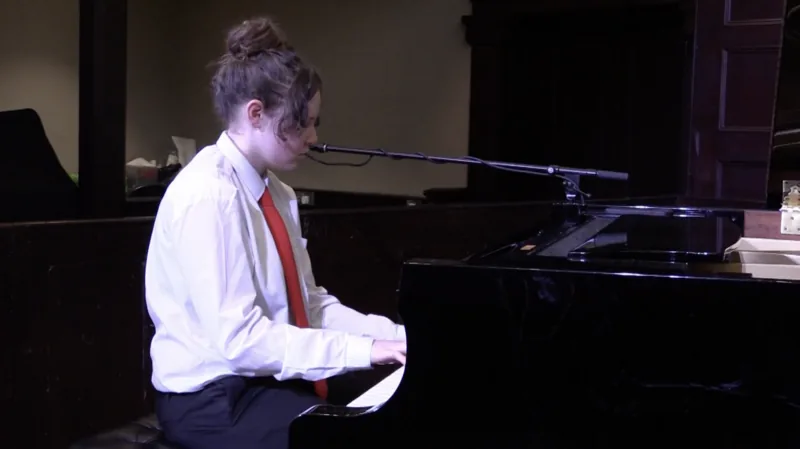
In an increasingly distracted world, musical learning provides a rare combination of focus, creative expression, and enjoyment. For young people between ages 8 and 15, learning an instrument extends beyond mastering notes or passing exams — it cultivates confidence, discipline, and artistic freedom within a relaxed, welcoming environment.
Learning That Lasts. Confidence That Grows.
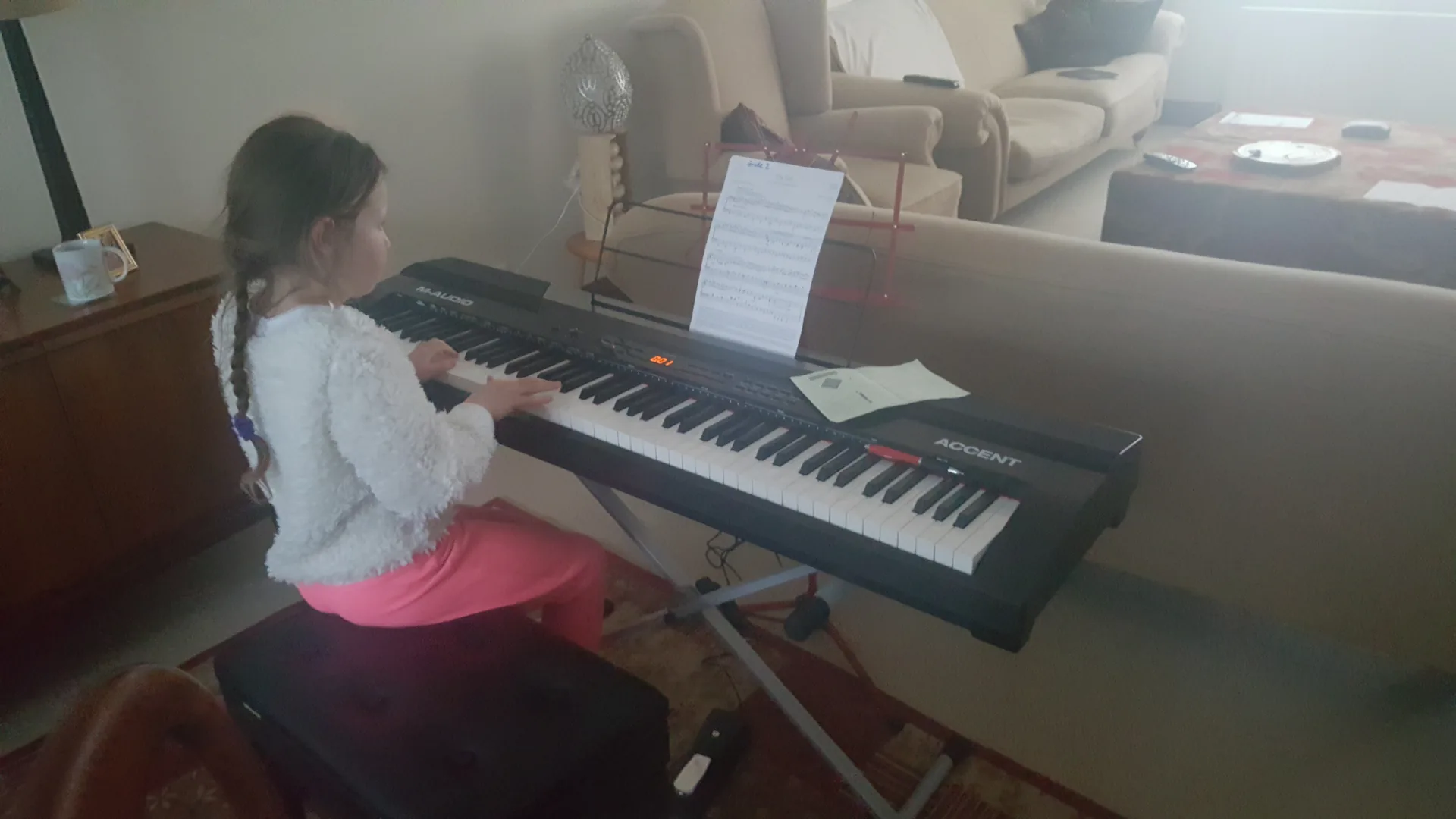
Mia's home studio near Cloughey welcomes students at all levels, from beginners exploring music for the first time to those already developing their skills. The instructional philosophy prioritizes making music feel organic, accessible, and uniquely personal.
Every student arrives with their own interests, pace, and goals. Some dream of performing on stage; others simply want to play their favourite songs. Both paths are equally valid, and both lead to the same destination: a deeper connection with music and themselves.
"The solo section contained some creative and virtuosic ideas which worked well in the context."— Trinity College London Examiner
The Three Pillars
Confidence First
Progress happens without pressure or perfectionism. Students develop competence and self-belief simultaneously. There's no rush to perfection — only a steady journey toward improvement. When mistakes happen, they become learning moments rather than failures.
Creative Exploration
Whether studying established compositions or composing original pieces, lessons adapt to individual curiosity and interests rather than following rigid curricula. If a student wants to learn a song they heard on the radio, that becomes part of the lesson. Music should be joyful, not prescribed.
Solid Foundations
Technical elements including technique, timing, tone, and rhythm receive consistent attention within each student's natural learning pace. The fundamentals matter — but they're taught in context, not isolation. A chord progression learned while playing a favourite song sticks far longer than one memorized from a textbook.
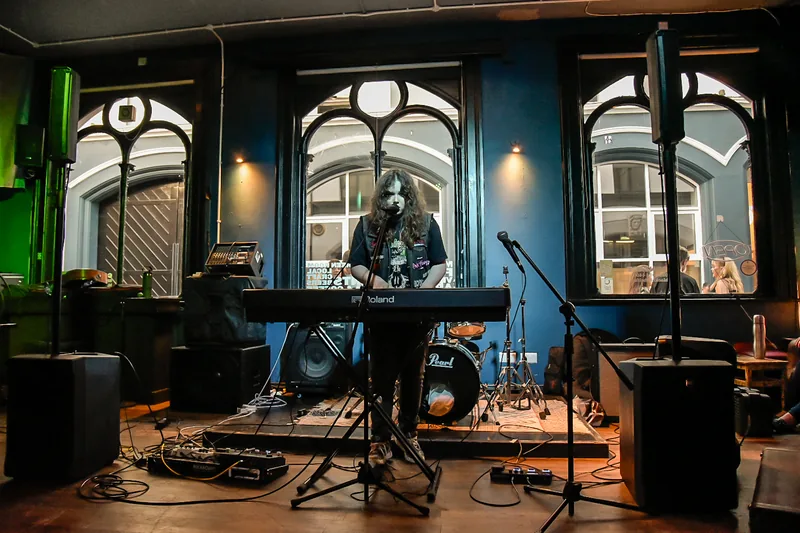
Every Path Is Valid
Lessons customize themselves to each learner's preferences. Some students pursue classical piano with music notation; others explore rock guitar techniques or pop chord progressions. Both pathways receive equal encouragement.
The studio features a full-size Yamaha piano, Roland keyboard, and multiple guitars with different specifications and effects capabilities for experimentation. Whatever sound a student wants to explore, the tools are there to help them find it.
Beyond the Music
The skills developed through musical education extend far beyond playing an instrument. Students learn patience, perseverance, and the satisfaction of mastering something difficult. They learn to perform under pressure, to express themselves creatively, and to take pride in their achievements.
These are life skills disguised as music lessons. And for young people navigating an increasingly complex world, they're more valuable than ever.